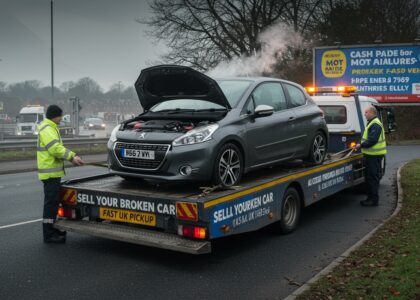
Deciding whether to scrap or sell your car in the UK can be a tricky choice. It often depends on your vehicle’s age, condition, and market demand. While scrapping provides a quick payout, selling might earn you more, especially if the car is in reasonable condition or has desirable parts. Many drivers face this dilemma when their cars reach high mileage, fail MOT tests, or start costing too much in repairs. Understanding both options helps you make a smarter financial decision that suits your personal or business situation.
Understanding When Scrapping Makes Sense
Scrapping your car may be the best option if it’s no longer safe, economical, or environmentally friendly to run. Vehicles that fail to meet the UK’s emissions standards or can’t pass MOT without costly repairs are ideal candidates for scrapping. Authorised Treatment Facilities (ATFs) handle the process legally and responsibly, recycling materials like steel, aluminium, and plastics. You’ll receive a Certificate of Destruction (CoD) to confirm that the car has been disposed of correctly. This approach ensures compliance with UK environmental regulations while offering some financial return.
When Selling Can Be More Profitable
If your car is still roadworthy or can be repaired affordably, selling it is often more profitable than scrapping. Online marketplaces, dealerships, and private buyers provide a variety of selling options. Clean records, service history, and valid MOT certificates can boost your car’s resale value. Even slightly damaged vehicles may attract buyers interested in parts or restoration. Businesses and individuals looking to upgrade often find selling preferable, as it helps recover more of the vehicle’s market value compared to scrap prices.
Evaluating Market Demand and Car Type
Certain models retain value longer than others due to brand reliability or parts availability. For instance, compact cars with good fuel efficiency are in high demand among city drivers and small businesses. Petrol and hybrid engines are particularly popular as many drivers transition away from diesel. If you own a well-maintained model like a Ford EcoBoost, selling could be a better choice than scrapping, especially given its reputation for performance and fuel efficiency. This could be a good time to Sell my EcoBoost while demand remains strong.
Benefits of Selling Popular Models in the UK
The UK market still shows solid interest in practical, reliable vehicles such as the Ford EcoBoost. Its compact engine technology offers strong mileage, which appeals to both private and fleet buyers. Many Ford EcoBoost car buyers UK look for cars that balance performance and economy. Selling such a vehicle can provide better financial returns and help someone else find an affordable car. In this case, choosing to sell rather than scrap aligns with environmental and economic benefits, as the car continues to serve another driver.
How Location Influences Your Decision
Your location can also affect whether selling or scrapping is more advantageous. In cities like London, where Ultra Low Emission Zone (ULEZ) charges apply, older vehicles may no longer be cost-effective to keep. However, newer or compliant models can still attract high demand. For instance, those wanting to Sell my EcoBoost car London could find buyers seeking efficient, ULEZ-compliant cars. Local market conditions, accessibility to buyers, and environmental rules all influence how much value you can recover from your vehicle.

Understanding the Selling Process
Selling your car involves more than listing it online. You’ll need to prepare documents such as the V5C logbook, service records, and MOT certificate. Taking clear photos and setting a fair price based on the car’s mileage, condition, and market trends helps attract serious buyers. Many UK sellers also opt for instant car-buying services that provide quick valuations and fast payments. These services simplify the process for busy individuals and commercial clients who want to sell vehicles efficiently and without hidden costs.
When to Choose Scrapping Instead
If your car’s mechanical faults exceed its value or if it’s been written off by insurers, scrapping remains a sensible choice. Vehicles with severe rust, failed engines, or accident damage often yield more value as scrap metal than resale units. Scrapping ensures responsible disposal and recycling, which helps reduce waste and emissions. For fleet managers or businesses managing old company cars, scrapping multiple vehicles through licensed ATFs can also offer convenience and compliance with legal standards.
Conclusion: Making the Right Choice
Both options—selling and scrapping—can serve your financial and environmental goals, depending on your vehicle’s condition and market demand. Selling is ideal when your car remains functional and desirable, while scrapping suits vehicles that are beyond economical repair. Before making a decision, assess your car’s resale value, the cost of repairs, and local market trends. If you’re looking for a reliable way to sell, consider getting a free valuation from Cars Wanted UK, a trusted service that helps both individuals and businesses sell vehicles safely and quickly.