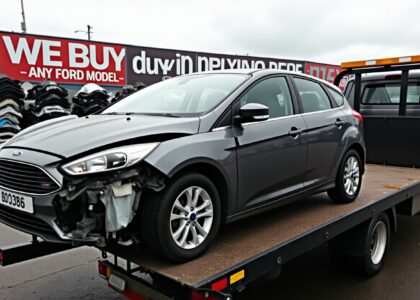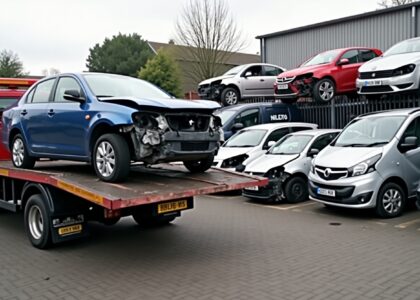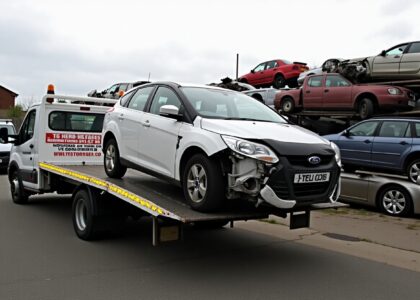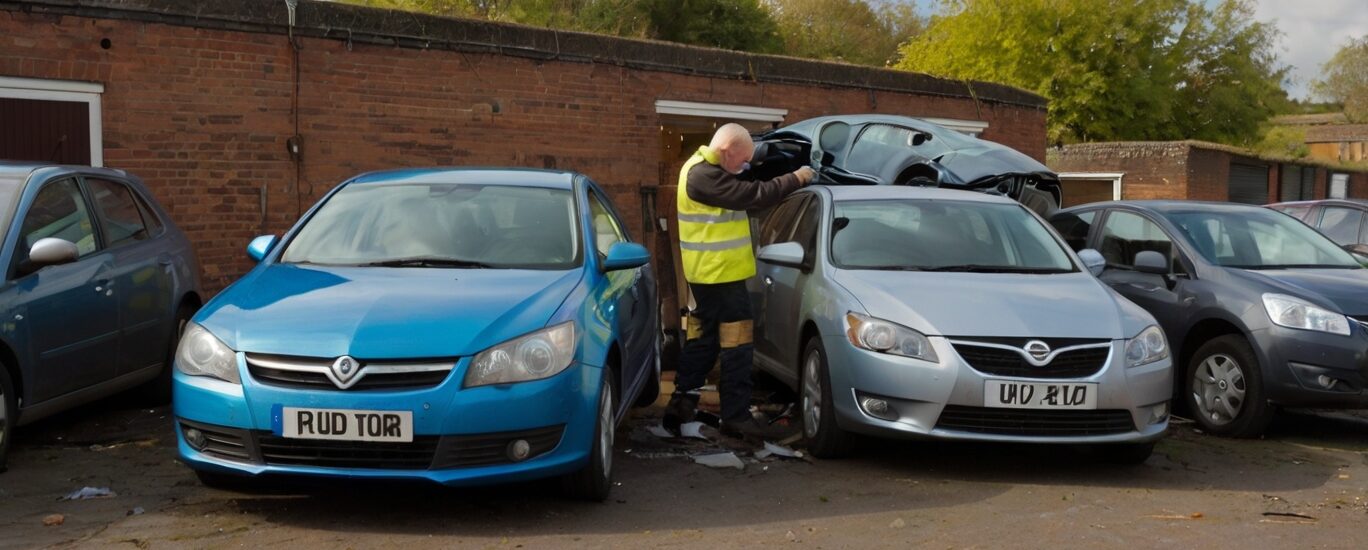
Selling a car often raises a common question: should you go for a quick sale or accept the scrap value? Both options are practical, but they differ in purpose, price, and the type of buyer you deal with. A quick sale is usually chosen when you want faster payment and less waiting time. Scrap value, on the other hand, applies when the vehicle is no longer usable or worth repairing. Knowing the distinction helps businesses, private owners, and commercial sellers make informed decisions. Whether the car is damaged, end-of-life, or still running, the right choice depends on its condition and your selling goals.
Meaning of a Quick Car Sale
A quick sale usually targets buyers who want a vehicle that still holds some functional or resale value. These buyers may include traders, used-car dealers, or private purchasers. A quick sale focuses on the market value of the vehicle, considering details like condition, service history, mileage, and demand. For example, someone searching for a Ford EcoBoost car valuation may still receive a competitive offer if the vehicle is repairable or fit for resale. Quick sale prices are higher than scrap offers because the buyer can either resell the car or use its working parts.
What Scrap Value Really Represents
Scrap value refers to what a dismantler or authorised treatment facility pays for a vehicle that can no longer be repaired cost-effectively. This price is based on the weight of the metal, recyclable components, and disposal requirements. Scrap dealers focus on materials such as steel, aluminium, copper, and catalytic converters. If you want cash for non-running Ford, you may find that scrap merchants offer a fixed price that does not fluctuate much with brand or model. Scrap value is usually the last option when keeping or repairing the vehicle is not financially reasonable.
Key Factors That Affect a Quick Sale
Several elements play a part in determining a quick sale price. Exterior damage, MOT status, drivetrain condition, and electronic diagnostics all matter. Even small issues like faulty sensors, worn tyres, or low engine compression can influence the value. Sellers often choose this route when they want to sell my Ford EcoBoost without waiting for the perfect buyer. Quick sale buyers consider the vehicle’s potential resale margin, so transparency about its maintenance and any past repairs can speed up the process and keep expectations realistic.
Key Factors That Influence Scrap Value
Scrap value is mostly determined by weight, material prices, and the presence of valuable components. Market rates for metals change, but the overall worth is tied to how much material the car can provide. A vehicle with a heavier frame or larger engine may receive a slightly higher scrap rate. Authorised dismantlers assess the catalytic converter, alloys, wiring, and gearbox before offering a price. Those dealing with Ford EcoBoost buyers UK should know that once a car reaches scrap stage, the model becomes less relevant, as recyclers focus on materials rather than brand desirability or specifications.
Choosing the Right Selling Option
Choosing between a quick sale and scrap value depends on your priorities and the car’s current state. If the vehicle still starts, drives, or has serviceable parts, a quick sale is usually the better option, offering higher returns and a wider pool of buyers. Scrap value works best for end-of-life vehicles, accident-damaged cars, or those needing repairs that exceed their value. Businesses with fleet vehicles, commercial sellers replacing units, or private owners clearing space can benefit from understanding both approaches to avoid underpricing their assets.
For fast offers, simple processes, and fair pricing, many sellers trust Cars Wanted UK.