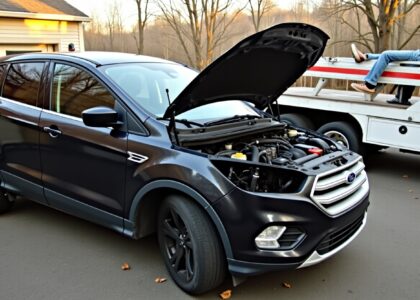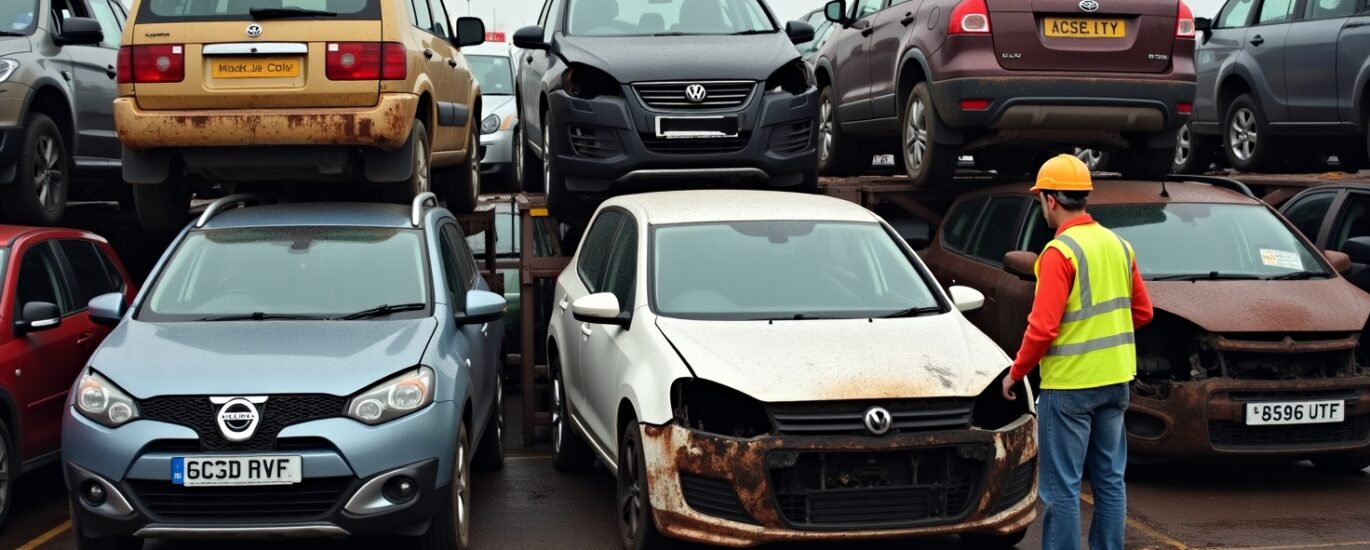
Owning a Ford that no longer starts can be stressful, especially when repair bills feel uncertain. For UK owners, the main question is whether scrapping or selling makes better sense. A non-runner may suffer from engine seizure, turbocharger failure, ECU faults, or gearbox damage. While these issues sound serious, they do not always mean the car has no value. Market demand, parts condition, and model popularity all play a role. Understanding these basics helps individuals, fleets, and small businesses make a clear choice. By weighing costs, time, and potential returns, owners can avoid rushed decisions and choose the option that fits their budget and needs.
When Scrapping a Ford Makes Sense
Scrapping is often considered when a vehicle has severe structural damage or has failed its MOT with high repair costs. If corrosion affects the chassis or safety systems like airbags and ABS modules, repairs may exceed the car’s worth. Scrap yards pay based on metal weight, catalytic converter value, and reusable components. Owners looking to Get cash for Ford EcoBoost models should know that scrapping usually offers quick payment but a lower return. This option suits businesses needing fast disposal and clear paperwork. However, scrapping removes the chance to earn more from buyers who need engines, gearboxes, or electronic parts.
Benefits of Selling a Non-Runner Ford
Selling a non-runner often brings better value than scrapping, especially for popular Ford models. Buyers may repair the car, break it for parts, or export it. Engines like the 1.0 or 1.5 EcoBoost remain in demand despite common issues such as timing belt wear or coolant leaks. If your aim is to Sell EcoBoost car fast, specialist buyers can complete deals within days. This route suits individuals and commercial owners who want minimal hassle but higher returns. Accurate fault descriptions and service history improve trust and speed up the sale process.
How Valuation Affects Your Choice
A realistic price depends on age, mileage, fault type, and body condition. Online tools and specialists provide a Ford EcoBoost car valuation by reviewing mechanical status, MOT history, and market demand. For example, a car with turbo failure but clean bodywork may still attract strong offers. Businesses managing fleets benefit from proper valuation to avoid losses across multiple vehicles. Understanding valuation methods helps owners compare scrap prices with buyer offers. This knowledge supports informed decisions rather than emotional ones, ensuring the chosen option reflects true market value and operational needs.
Finding the Right Buyers in UK
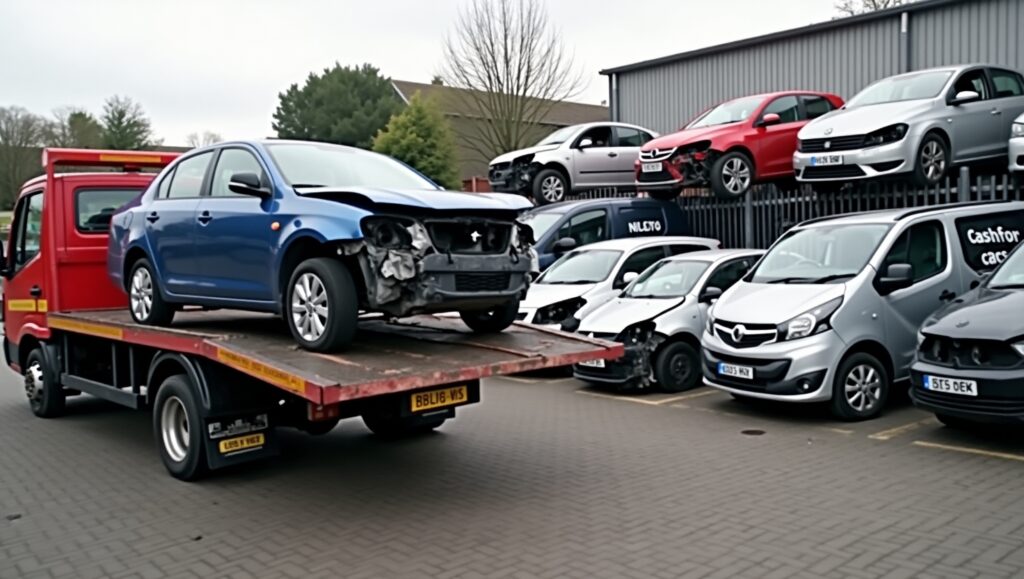
Locating trusted buyers is key to a smooth sale. Many owners search for EcoBoost car buyers near me, aiming to reduce transport costs and delays. Reputable buyers arrange collection, handle DVLA paperwork, and offer clear pricing. Commercial sellers should check buyer licences and recycling standards. Individuals should read reviews and confirm payment methods before handover. Local buyers often understand regional demand and parts value, leading to fair offers. Choosing the right buyer reduces risk and ensures compliance with UK regulations, making the selling process straightforward and reliable.
Final Thoughts and Clear Action
Deciding whether to scrap or sell a non-runner Ford depends on condition, time limits, and financial goals. Scrapping suits cars with major safety issues, while selling often brings better returns for repairable or in-demand models. Both individuals and businesses benefit from comparing options carefully. Clear information, honest fault details, and trusted buyers make the process easier. If you want a simple, professional solution with fair pricing and fast service, consider working with Cars Wanted UK for your non-runner Ford needs.